Christopher Watkin
-
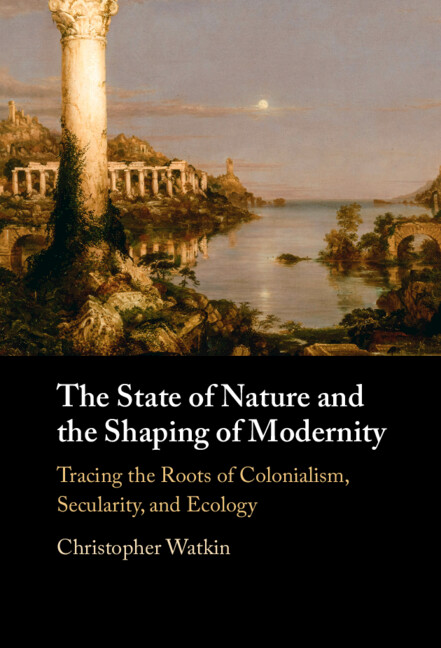
Is the “state of nature” just a relic of early modern philosophy, or is it a warning about our future?
Recent geopolitical upheavals reveal that our rules-based international order is far more fragile than we might care to admit. When the raw logic of power reasserts itself, we are forced to ask: are we witnessing cracks in the ‘thin veneer’ of civilisation?This new blog post, published to accompany the launch of my new book, explores
-
Two upcoming book launch events
The stories we assume about human origins profoundly shape our modern assumptions about freedom and equality, our relationship to each other and the natural world.Unpacking these philosophical origin stories isn’t just an exercise in history; it gives us a remarkably powerful lens for understanding the complex forces driving our contemporary political and cultural landscape.If you’re
-
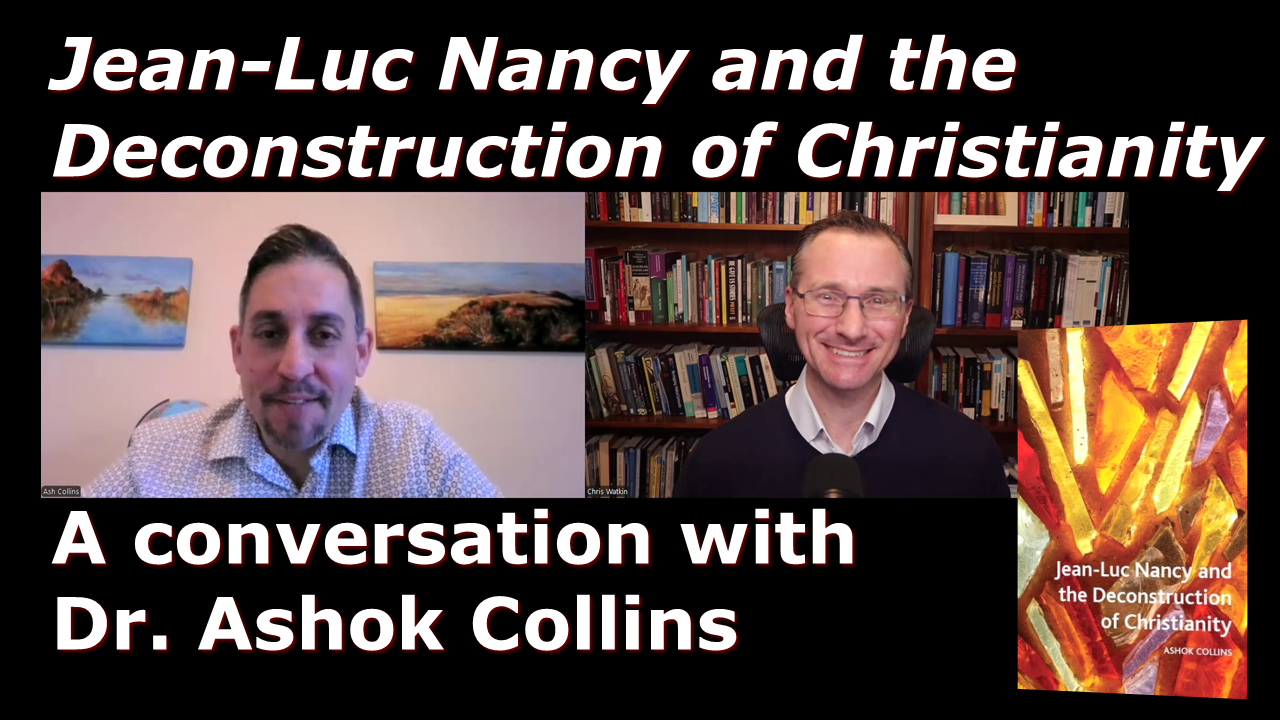
Jean-Luc Nancy and the Deconstruction of Christianity: A Conversation with Ashok Collins
What happens when deconstruction turns toward religion? And what might Christianity look like when read through the philosophical lens of Jean-Luc Nancy? In this interview I speak with Dr Ashok Collins about his book Jean-Luc Nancy and the Deconstruction of Christianity. Our conversation explores the complex relationship between deconstruction, theology, and contemporary continental philosophy. You
-
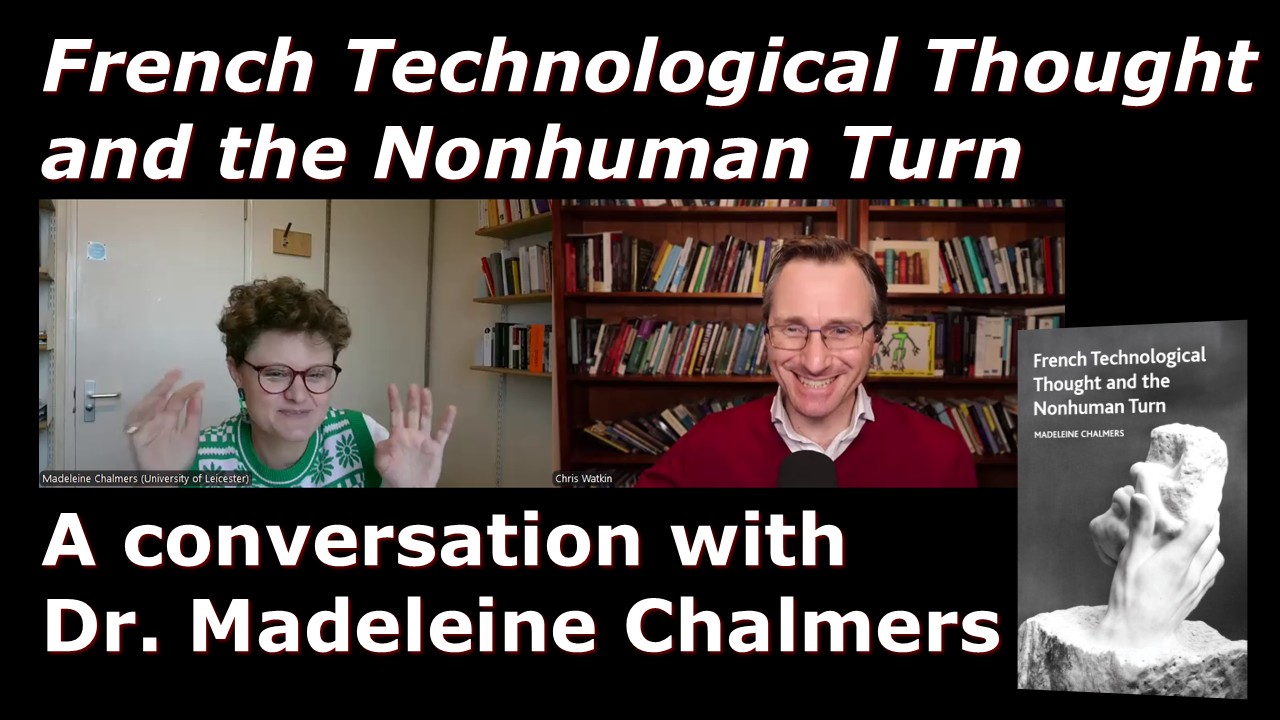
French Technological Thought and the Nonhuman Turn: A Conversation with Madeleine Chalmers
How should we think about technology philosophically? And why has contemporary theory increasingly turned toward the nonhuman—toward machines, objects, and technological systems—as key actors in shaping our world? In this interview, I speak with Dr Madeleine Chalmers about her book French Technological Thought and the Nonhuman Turn. The conversation explores a fascinating intellectual genealogy linking
-
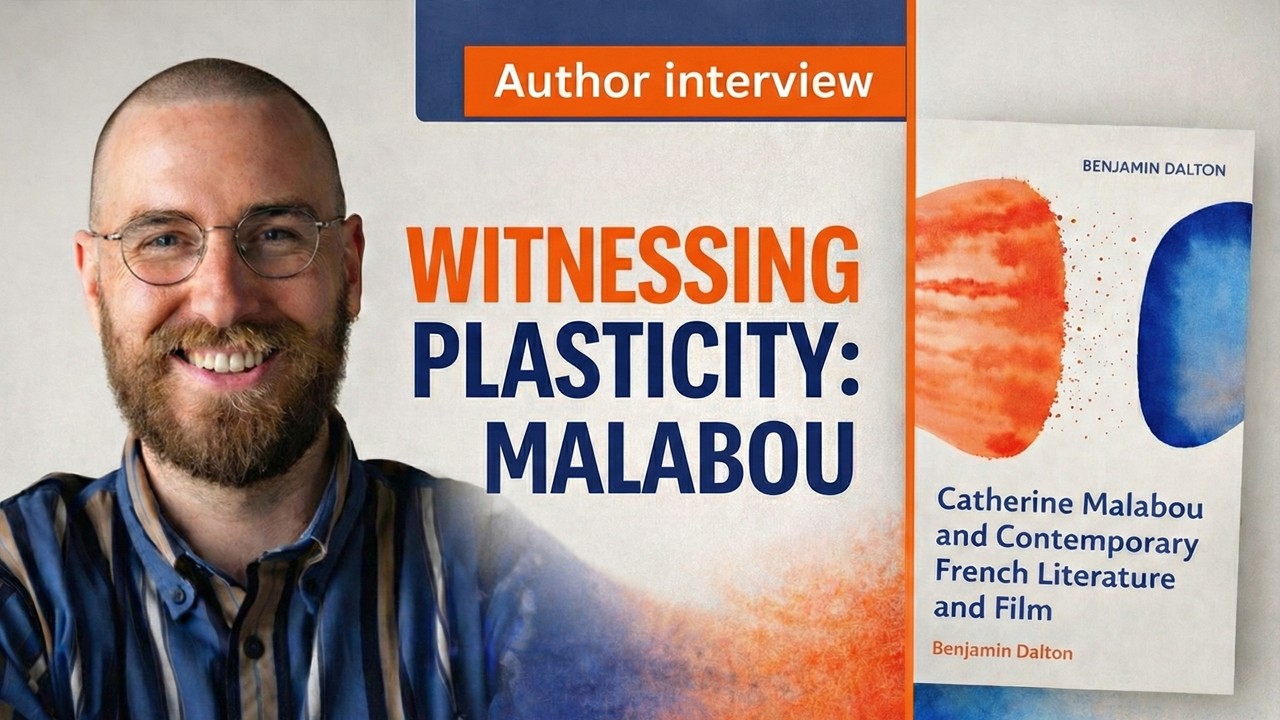
Witnessing Plasticity: A Conversation with Benjamin Dalton
What happens when philosophy meets the fragility of the human body? In this episode of the Crosscurrents series, I had the pleasure of speaking with Dr Benjamin Dalton about his new book Catherine Malabou and Contemporary French Literature and Film: Witnessing Plasticity. The conversation explores the provocative idea of plasticity—a concept developed by the contemporary
-

Spaced Repetition and AI: A Data-Driven Approach to Vocabulary Learning
Language learners often face a familiar frustration: memorising vocabulary feels easy in the moment, but the words quickly fade from memory. Traditional vocabulary lists and last-minute revision rarely lead to long-term retention. To address this problem, I recently developed a vocabulary learning aid designed to help students organise and review the words they are learning
-
Stob lecture 2025 Video. The Human Remains: Fragility and Fulfilment in the Age of Artificial Intelligence
Here is a video of my 2025 Stob lecture, exploring the philosophical and theological implications of AI. My title was “The Human Remains: Fragility and Fulfilment in the Age of Artificial Intelligence”. I set out to argue that this is a very exciting time to be a philosopher or theologian, because AI is forcing on
-
Armitage Lecture 2025: “Custodians of the Common Good: Christian Education in a Post-Christian World”
In June I had the honour of delivering the annual Isaac Armitage Lecture at the Shore School, Sydney. My title was “Custodians of the Common Good: Christian Education in a Post-Christian World”. The video is now available: More information about the lecture can be found here.
-
The State of Nature and the Shaping of Modernity: Introduction
An introduction to the book The State of Nature and the Shaping of Modernity: Tracing the Roots of Colonialism, Secularity, and Ecology, forthcoming with Cambridge University Press in 2025. In this video, the first in a new series and rather longer than the others, I read the book’s Introduction, entitled “The State
-
Teaching hacks #1: Quick way to bulk create, name, populate and share Google docs from a list of names and emails
Univeristy lecturers sometimes need to create a Google doc for every student in a unit containing information or sections for the student to complete, and share each document with a specific student. A hyperlinked list of the documents is then added to the LMS, and each student can access only their own document and add
-
Video: Panel on Biblical Critical Theory at ETS Conference
This panel, held to explore themes raised in Christopher Watkin’s book Biblical Critical Theory, was held at the 2023 conference of the Society for Biblical Literature and the American Academy of Religion, in San Antonio, Texas. The session was the Kirby Laing Centre’s Scripture and University Seminar. Welcome: Dr. Jonathan Arnold, (Cedarville University) Panelists: Dr.
-
Video: Panel on Biblical Critical Theory at ETS Conference
This panel, held to explore themes raised in my book Biblical Critical Theory, was held at the 2023 conference of the Evangelical Theological Society in San Antonio, Texas. Moderator: Dr. Jennifer Powell McNutt (Wheaton College) Panelists: Dr. Kristen Deede Johnson (Western Theological Seminary) Dr. Malcolm Foley (Baylor University) Dr. Greg Forster (Trinity Evangelical Divinity School)
-

Research Hacks #27: VBA to mark up a Word document for reading
In the past I have posted macros to highlight all the quotations and all the punctuation in a Microsoft Word document. Here is some VBA that performs these two tasks, and also adds line numbers and page numbers to a document. I regularly use it before I read student work or articles to review, and
-
Research Hacks #26: A Macro to search for text across all open Word documents
Recently I have been working with multiple long Microsoft Word documents, and I have wanted to search for a particular string across all the open documents. So far I have had to search each ddocument separately, which is somewhat annoying. So I asked ChatGPT to write a Visual Basic Macro to search across all open
-

AUDIO TALK: Michel Serres and the Parasitic Unmaking of Modernity
This is the audio of a talk I gave at the International Philosophical Seminar (IPS) in June 2022. It begins by showing how Michel Serres rethinks the foundational modern moment of the state of nature, and it then sketches a way of understanding modernity in terms of three recurring moments: a flattening, a division and
-
Podcast: “Renewing our Mental Models With Michel Serres”
In June 2022 I had the privilege of giving a keynote address for the NaturArchy: Towards a Natural Contract conference at the European Commission’s Joint Research Centre, with the title “Renewing our Mental Models with Michel Serres”. The talk is now available as a podcast below. Abstract: As our understanding of the world changes over
-
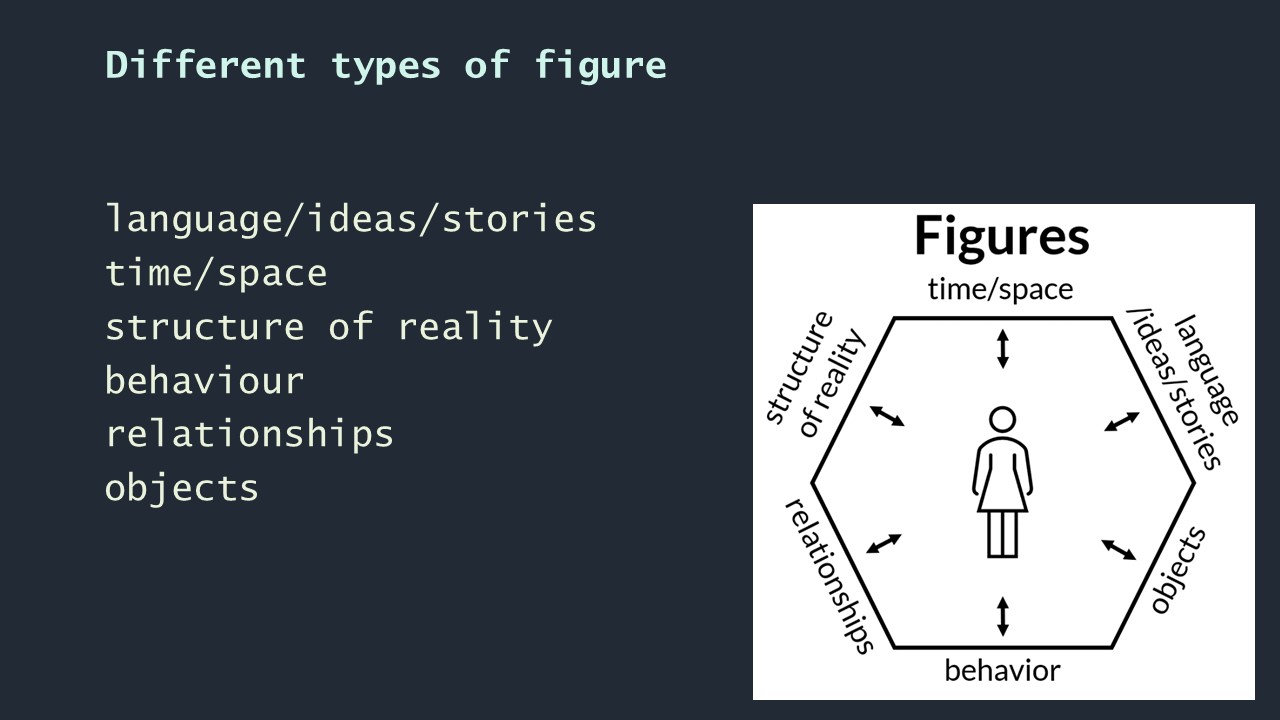
VIDEO: Towards a General Theory of Figures
This is a video of a paper I gave to the The Research Unit of Architecture Theory and Philosophy of Technics, part of the Institute for Architectural Sciences in the Department for Architecture Theory and Philosophy of Technics ATTP at Vienna University of Technology, at the invitation of Prof. Vera Bühlmann. In the talk I bring
-
Video: Our fractured state of nature: environment, emancipation, ecnonomy
This is a recording of a paper given at the Australasian Society of Continental Philosophy Conference, December 2021. Paper title “Artificial state of nature: how an aporia of myth shapes our experience of emancipation and the market” Abstract This paper argues that there are two contradictory modern Western understandings of nature, vividly captured in the
-
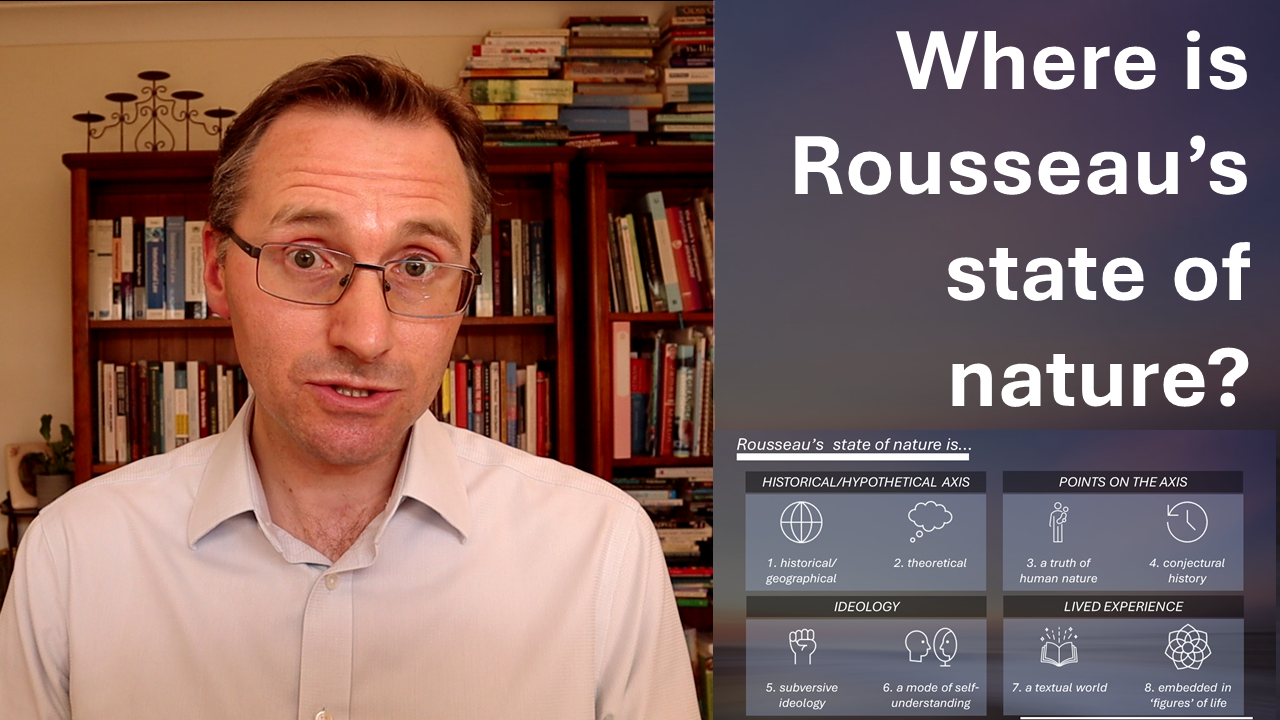
Video: Where is Rousseau’s state of nature?
This is a recording of a paper I gave at the 2021 Australian Society of French Studies Conference. Paper title: Siting Rousseau’s state of Nature Abstract: Rousseau’s account of the social contract relies, both logically and rhetorically, on his reconstruction of the so-called “state of nature”, a supposed pre-contractual condition of human life. There is
-
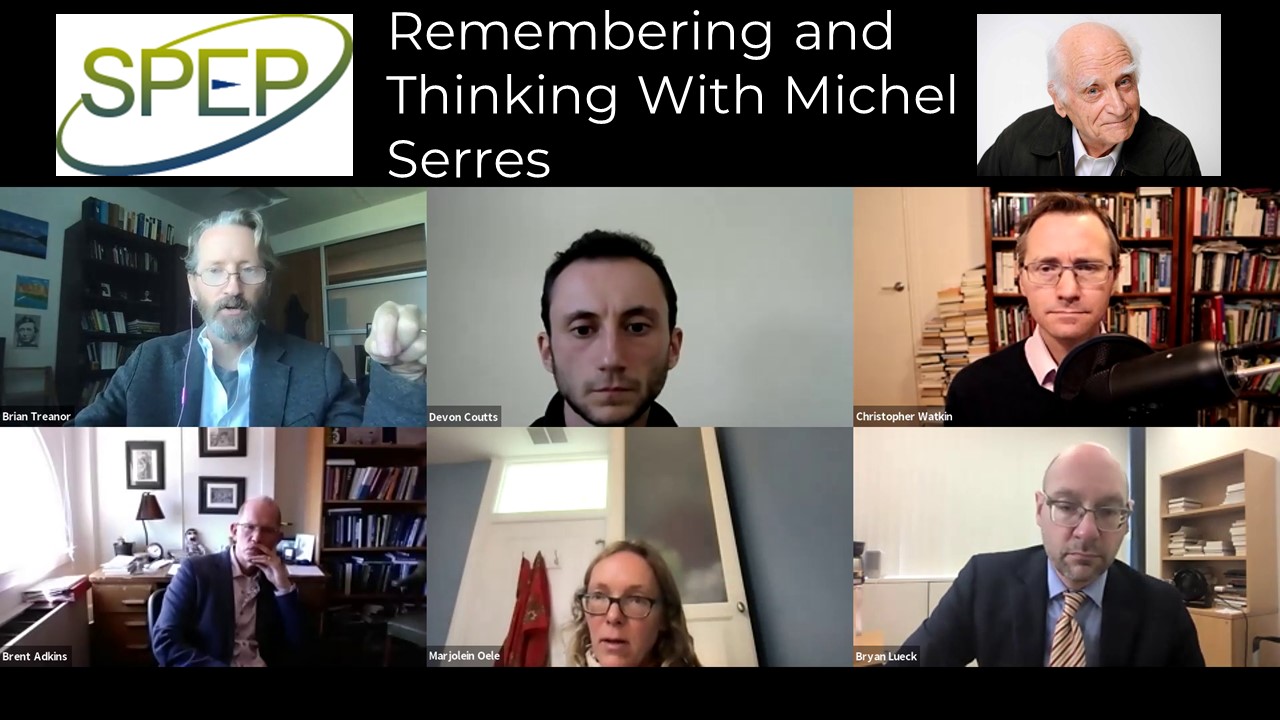
SPEP 2020 video and paper: Remembering and Thinking with Michel Serres
This September I had the privilege of taking part in a panel at SPEP 2020 (postponed until 2021) alongside Marjolein Oele and Brian Treanor. “Remembering and Thinking with Michel Serres” ranged over issues related to Serres’s contemporaneity, his natural contract idea, and the distinctiveness of his thought. Here is a recording of Brian’s paper and
-
The state of nature as social critique
The state of nature as social critique This is the second post in a series on the state of nature. In the first post I explored why the state of nature matters today. This post considers how the state of nature idea functions as a tool of social critique. It is also available as a
-
The State of Nature – An Idea that Shapes Us
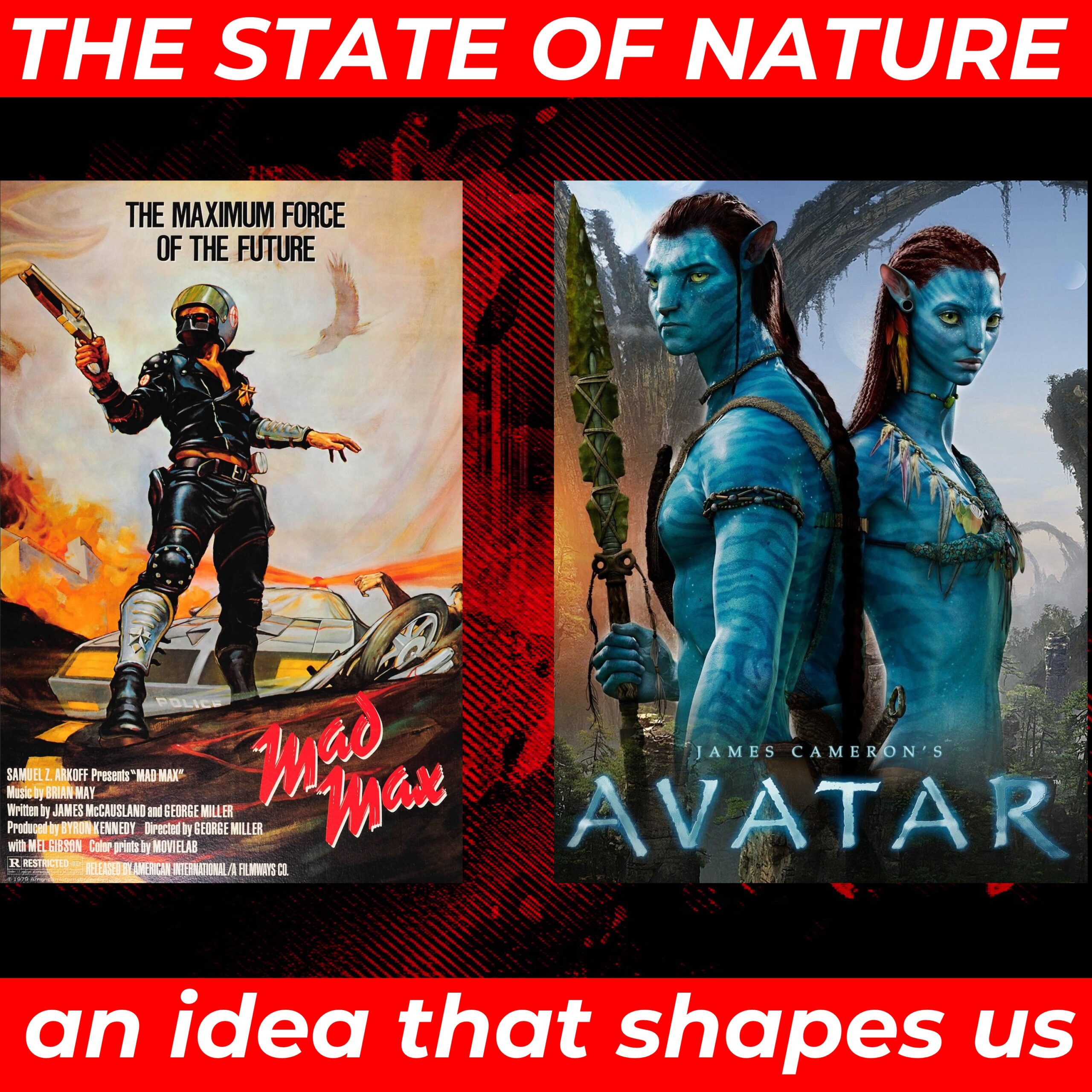
This post is the script for a video essay on the state of nature uploaded to the Social Contract Research Network YouTube channel. The material was written to be viewed. Video version: Podcast version: This is a video about a powerful idea. It is an idea that shapes our view of ourselves, and of what
-
Video: Advice on securing a large academic grant
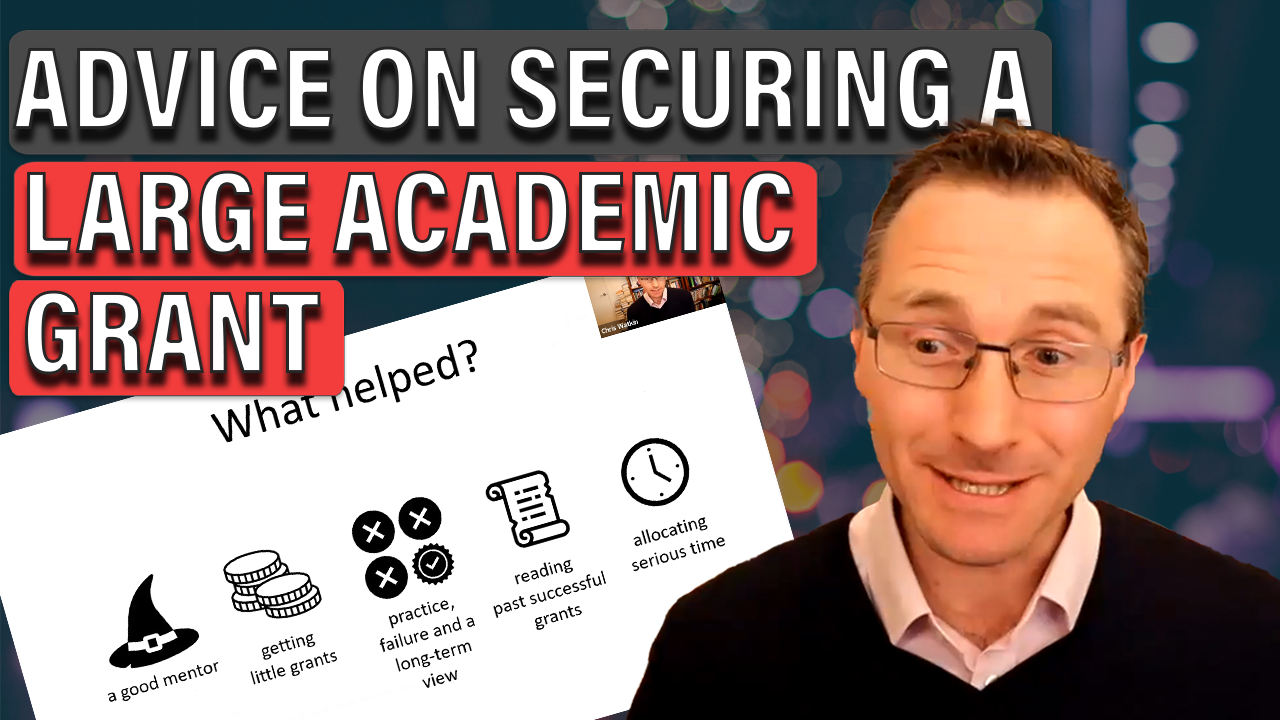
I have been asked a few times in recent months what advice I would give to colleagues applying for competitive grants and fellowships, such as the Australian Research Council Discovery Project or Future Fellowship schemes. While my expertise is limited to my own experience and my one-time success in the Future Fellowship scheme, I’m more
-

TALK Rewriting the Social Contract – the Role of Christian Social Institutions
This guest lecture was delivered at Parliament House, Canberra, on 22 February 2021, at the invitation of the Church Community Restoration Project, an alliance of Christian community organisations committed to partnering government, individuals and communities as they face the challenges of a COVID-19 recovery in Australia. The lecture draws on research from the Australian Research
-

YouTube videos of ‘Ends of Autonomy’ colloquium papers: surveillance, neoliberalism, climate
This week my Warwick colleague Prof Oliver Davis and I co-hosted the second ‘Ends of Autonomy’ colloquium, eqploring how freedom is changing today in the light of new technologies, climate change and neoliberalism. Where presenters gave their consent, sessions were recorded and uploaded to the Ends of Autonomy Colloquia YouTube channel. Below are the videos
-

Michel Serres and the New Social Contract
This is a paper presented at the 2020 SEP-FEP (Society for European Philosophy and Forum for European Philosophy) conference: https://sep-fep.com/ Abstract One of Michel Serres’s best-known works in the anglophone world is The Natural Contract, in which he argues that our current social contract dangerously neglects the non-human and needs supplementing with a new settlement
-
Interview: Michel Serres, Philosophy and the Contemporary World
This week I was interviewed by David Webb for the 2020 SEP-FEP (Society of European Philosophy and Forum for European Philosophy) Conference coming up in November. The interview focused on the work of French philosopher Michel Serres (1930-2019), ranging over Serres’s style, politics, ecology, language, and my book Michel Serres: Figures of Thought (Edinburgh University Press,
-

Towards a general clinamatics: narrative, the social contract, and four pages of Balibar
This post is part of a series of reflections on the social contract. For other posts in the series, please please click here. It is common to evaluate accounts of the social contract as if they were abstract arguments containing a finite list of propositions about human nature, history and politics, each with its
-
Poverty, Precarity, Ecology – Michel Serres’s natural contract
This is a paper I originally prepared for a Faculty meeting. It briefly introduces the idea of the natural contract to a cross-disciplinary audience, and gestures towards some of its benefits. This paper addresses what sort of philosophy, and what sort of social sciences, are required to address the qualitatively new problems that face
-
Interview with Aidan Tynan about his new book The Desert in Modern Literature and Philosophy
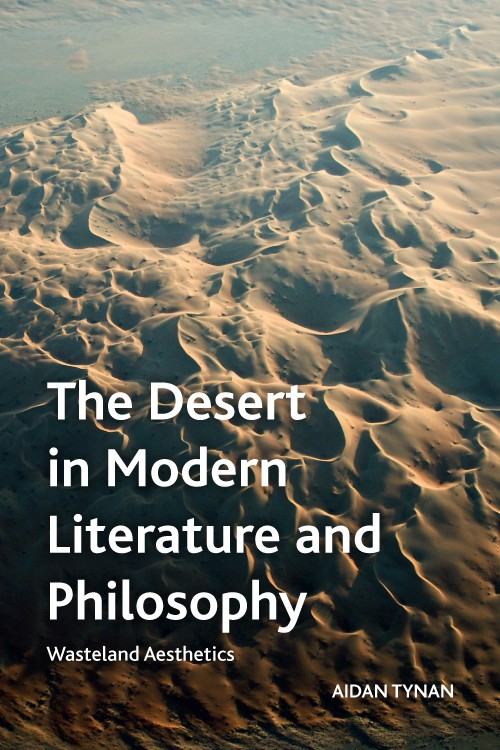
Recently I interviewed Aidan Tynan about his book The Desert in Modern Literature and Philosophy, an excellent new addition to the Edinburgh University Press Crosscurrents series. Chris Watkin: What first drew you to contemplate the desert? Was there one book or encounter that originally led you to the importance of this motif? Aidan Tynan:
-
The natural contract: four objections answered
Abbreviations CN Le Contrat naturel Bi Biogée Bio Biogea GB Le Gaucher boiteux Hom Hominescence In L’Incandescent Inc The Incandescent NC The Natural Contract P Le Parasite Par The Parasite RH Récits d’humanisme TDC Temps des crises TOC Times of Crisis TU ‘Temps, usure : feux et signaux de brume’ In the previous
-
How a contract with the natural world can help us address the climate crisis
Since the publication of Michel Serres’s Le Contrat naturel (The Natural Contract) in 1990, the thesis that our social contract needs to be complemented and extended by a contract with the natural world has come in for sustained, and predictable, criticism. In this new mini-series of posts I want to clarify the natural contract idea,
-
The social contract is imaginary. That’s why it’s so powerful
What is the point of a national anthem? Does it accurately portray the history of the nation it adorns? Seldom. Does it reflect current values and priorities? Hardly. Is it set to a rousing melody? Almost never. Is it achingly repetitive? In the case of the British national anthem, most certainly yes. And yet anthems
-

What are the conditions of a strong social contract? Ricoeur on Rawls
To adapt a popular meme from the Lord of the Rings trilogy, “One does not simply… rewrite the social contract”. It isn’t something we can change at will. It doesn’t drop from the sky fully formed. And, as we know, it wasn’t simply “written” in the first place. The codified aspects of the social contract—the
-

Christianity and the social contract: preliminary reflections
The paper below was prepared for the Jubilee Centre taskforce on the role of the state in the post COVID-19 world. Its intention is to provide a brief overview of classic social contract theory and then identify some ways in which the social contract paradigm relates to Christian theology. Enjoy! Christianity and the social contract
-
COVID-19 and Black Lives Matter: The apocalypse of the social contract
In a previous post I began to consider how the COVID-19 pandemic stress tests our fragile social contract. I now want to pick up that thread again and ask why we are so willing to give up our natural freedom for the sake of the common good, and what the current crises reveal about the state
-
António Guterres, Jean-Luc Nancy, and the new social contract
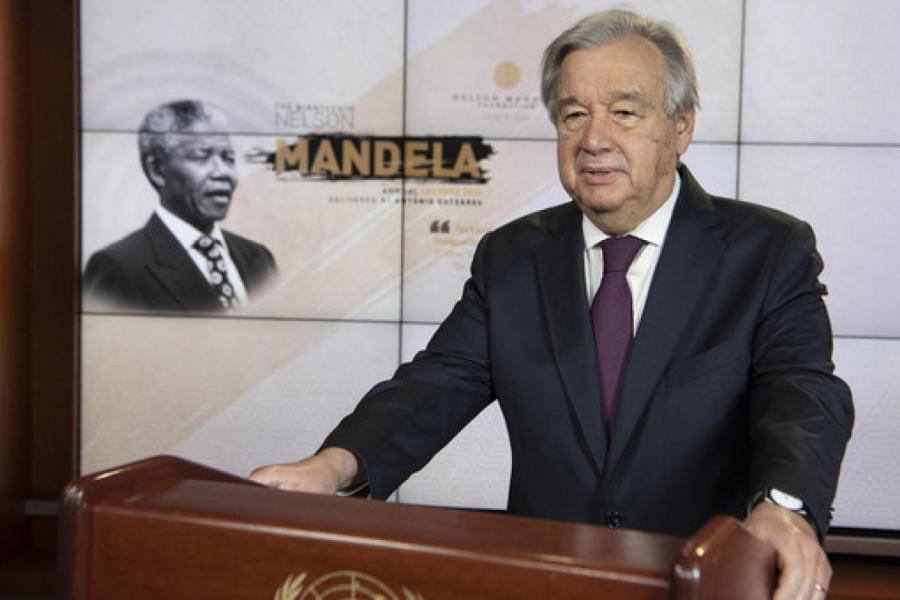
On July 18 this year the U.N. Secretary General António Guterres added his voice to the ranks of those calling for a new social contract, entitling his 18th Nelson Mandela Annual Lecture ‘Tackling the Inequality Pandemic: A New Social Contract for a New Era’. But what does that mean? What do we want when we
-
COVID-19 and the social contract
Man is born free, and everywhere today he in self-imposed chains, locked down under COVID-19 regulations. The term “lockdown” is of course a misnomer. With some notable but very infrequent exceptions, no-one is locking our doors and forcing each and every one of us to stay within our four walls. It is relatively trivial to
-
An experimental video lecture on Beckett’s Krapp’s Last Tape
Can students really not concentrate for 50 minutes any more? Is constant interactivity really the only way to hold attention today? Might it be that resisting the commodotisation and commercialisation of attention requires modes of resistance that are deeper than simply cutting with the grain of addictive modes of engagement? It was in part in
-
More unacceptable reasons to enjoy the pandemic. Let’s read Camus’s La Peste #8
For the full series of “Lets read Camus’ La Peste” posts, please click here. In the previous post in this series I reflected on how literature can reveal the hidden side of a pandemic. Attitudes that would be incendiary if voiced in the first person can be exposed and explored in literary texts, absent
-

The unspoken pandemic: on the illicit enjoyment of plague. Let’s read Camus’s La Peste #7
For the full series of “Lets read Camus’ La Peste” posts, please click here. Everyone is writing about the pandemic right now, but we are not writing everything. There are some some impulses, some reactions, some fleeting thoughts that we prudently keep under our hats at a time like this. Once the COVID-19 pandemic
-

An Easter meditation: On the very idea of having something to say about COVID-19. Let’s read Camus’ La Peste #6
For the full series of “Lets read Camus’ La Peste” posts, please click here. I have come across an impressive amount of self-styled insight in the past few days: what the world will look like after the virus, how we should reshape it, what an opportunity this is, how things will never be the
-
Pandemics, the phenomenology of statistics, and the numerical sublime. Let’s read Camus’ La Peste #5
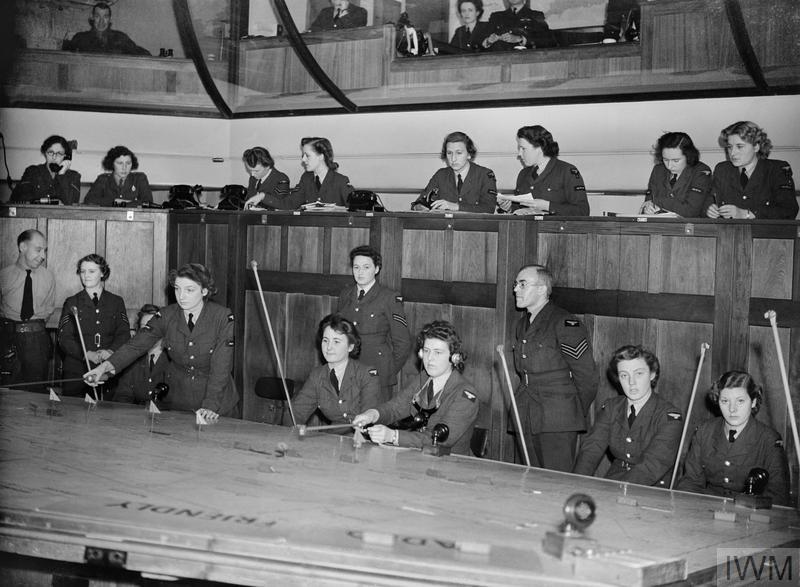
For the full series of “Lets read Camus’ La Peste” posts, please click here. There has been much talk over the past weeks of COVID-19 being an “invisible enemy”. Setting the war metaphor aside for a moment, it is illuminating to reflect on the ways in which we make pandemics visible. In La Peste figures and
-

The Ends of Autonomy: Updated CFP outlining new arrangements for remote participation
*** Updated Call outlining new arrangements for remote participation *** The Ends of Autonomy The Past, Present and Future of Freedom Call for Papers Twin cross-disciplinary colloquia run out of Warwick University, UK (7-10 July 2020) and Monash University, Australia (15-16 December 2020) will explore the genealogy of ideas of freedom, autonomy, liberation
-
Pandemic temporality: the strange times of COVID-19. Let’s read Camus’ La Peste #4
For the full series of “Lets read Camus’ La Peste” posts, please click here. A pandemic does strange things to time. We are used to living in different times at once. There is the clock time of regular 60-second minutes and 24-hour days. There is the joy of youthful infatuation when a day with one’s
-
Bonkers is the new normal: escalating paradigm shifts in the progress of a pandemic. Let’s read Camus’ La Peste #3
For the full series of “Lets read Camus’ La Peste” posts, please click here. Camus, drawing his reader into the heightening tension of La Peste, calibrates attitudes to the plague with an escalating vocabulary. Each shift in terminology is accompanied by a dramatic event or realisation that causes a paradigm shift in the understanding of
-
Epidemics are apocalyptic, but not in the way we might think. Let’s read Camus’ La Peste #1
This is my first post about Albert Camus’s La Peste (The Plague). I’m about a quarter of the way through the novel now, and there’s SO MUCH to write about. Reading Camus in the context of the current COVID-19 situation provides a counterpoint outside the media frenzy from which to gain perspective and insight into
-
Call for Papers: The Ends of Autonomy
Together with my colleague Oliver Davis at Warwick I am organising twin colloquia on freedom, autonomy, liberation and emancipation later this year. Here is the CFP: The Ends of Autonomy The Past, Present and Future of Freedom Call for Papers Twin cross-disciplinary colloquia at Warwick University, UK (7-8 July 2020) and Monash
-
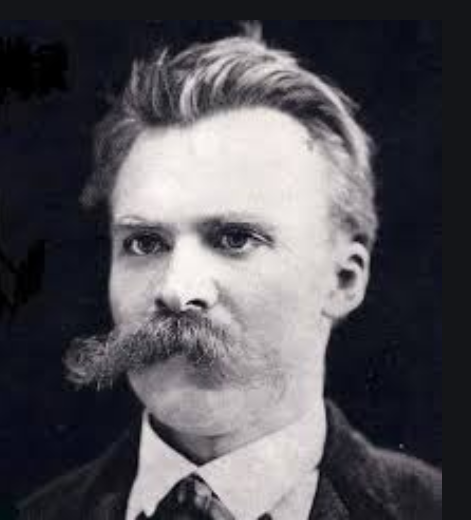
Plato’s cave, Michel Serres, and imagining Nietzsche’s madman happy
I’ve been teaching Nietzsche’s madman this week in the context of a unit on literary modernism, and there has been some fascinating discussion among the students about the solar imagery in the passage. As a contribution to that discussion, here is an extract from Michel Serres: Figures of Thought in which I compare the image of
-
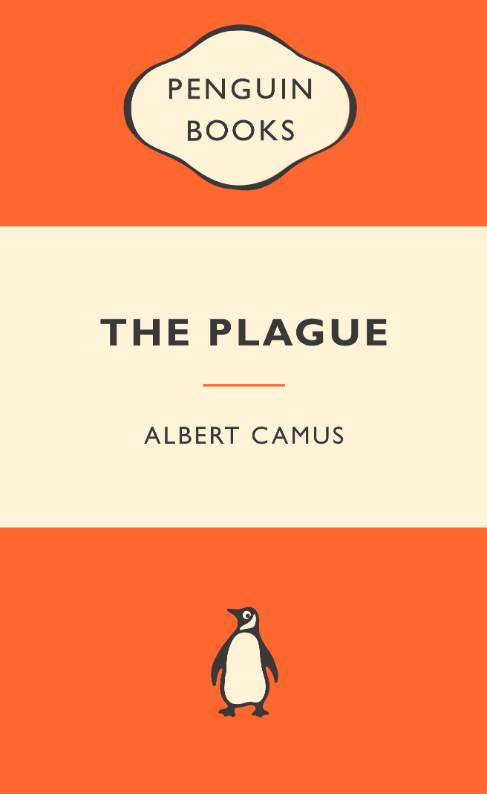
Let’s read Albert Camus’s La Peste (The Plague) together
In view of the COVID-19 information, misinformation and toilet roll hysteria currently gripping the world, over coming weeks I will be channelling my quarantine curiosity into re-reading Albert Camus’s La Peste (The Plague), a story of an epidemic sweeping through the Algerian city of Oran. The novel examines the way in which living in an epidemic