Christopher Watkin
-

So you want to read Michel Serres? Start here
I recently received an email from someone wanting to get into Michel Serres’s writing in English translation, and asking where to start. Here are some thoughts, to which I hope to add over time. The suggestions of primary and secondary material below are not meant tobe exhaustive, but to provide a jumping off point for
-
The inkling of a different reality. Let’s read Camus’ La Peste #2
For the full series of “Lets read Camus’ La Peste” posts, please click here. Knowing what is to come in the novel, Camus’ description of Oran in the opening pages of La Peste is brilliantly prescient. Nobody is expecting their weekly routine of work and leisure to be interrupted. This, Camus notes, is what it means
-
Which God(s) do you (not) believe in? An interview with Christopher Watkin, Journal of Baudrillard Studies
A while back now I was interviewed by Jon Baldwin for the International Journal of Baudrillard Studies. The original electronic version of the interview is available here. I have also also pasted it below. Which God(s) do you (not) believe in? An interview with Christopher Watkin ISSN: 1705-6411 Volume 16, Number 1 (January 2020)
-
Video of my Stanford talk. Michel Serres: Thinking in Figures
The audio and slides below were recorded at my talk at Stanford University on January 30, 2020. I had the pleasure of speaking about the late Michel Serres to an audience most of whom had known him personally, some over many years. I presented the approach of Michel Serres: Figures of Thought and suggested why Serres’s
-
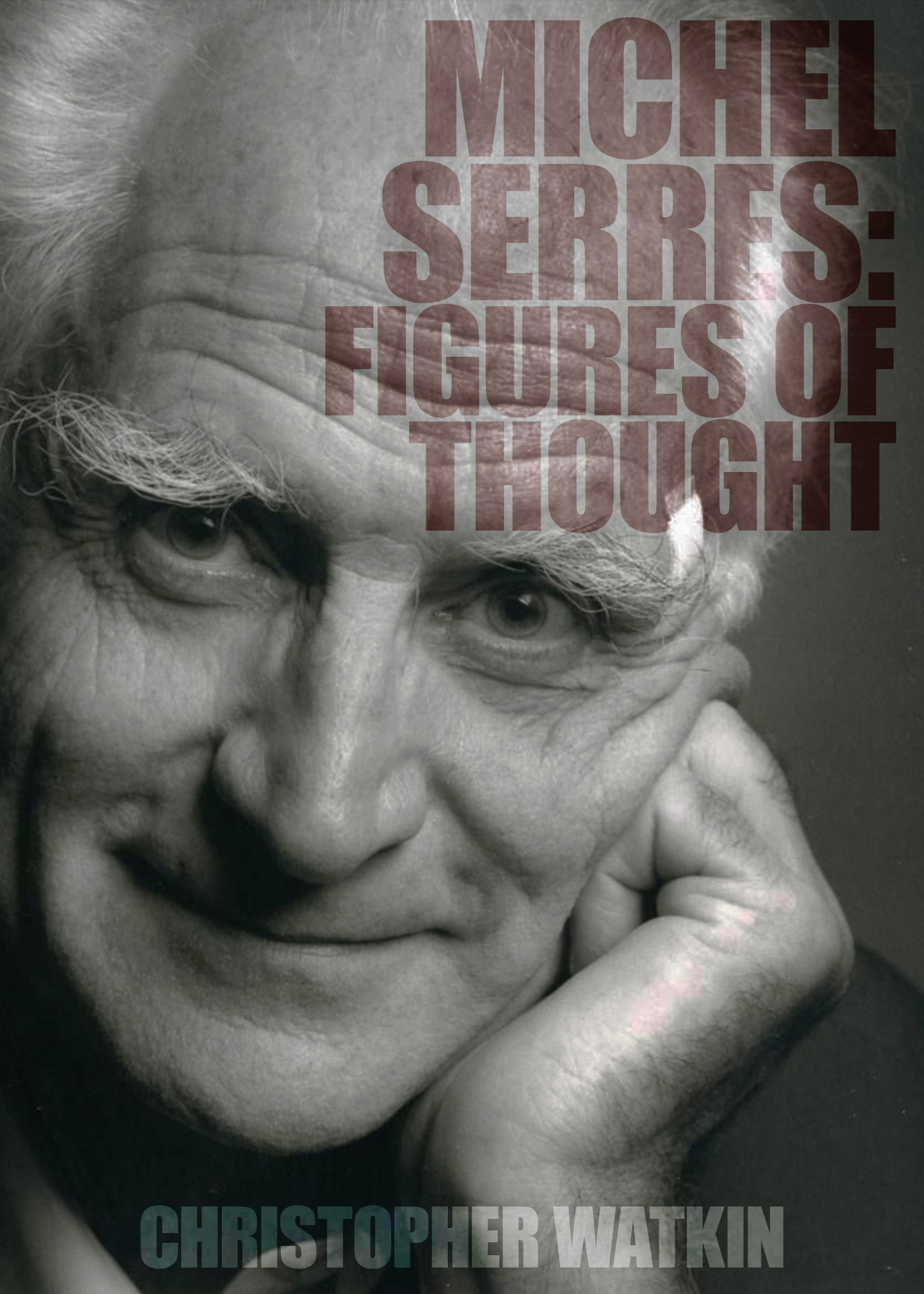
Michel Serres book excerpt: The end of the Neolithic
This is the seventh in a series of extracts from Michel Serres: Figures of Thought that I will be posting in the run-up to the book’s publication around April 2020. The archive of all the extracts will be accessible here. The following exceprt is from Chapter Six of Michel Serres: Figures of Thought, entitled ‘Ecology’
-
Michel Serres book excerpt: Pragmatogony, prehistory and the cadaverous object
This is the sixth in a series of extracts from Michel Serres: Figures of Thought that I will be posting in the run-up to the book’s publication around April 2020. The archive of all the extracts will be accessible here. The following exceprt is from Chapter Five of Michel Serres: Figures of Thought, entitled ‘Objects’
-
Michel Serres book excerpt: The origin of language
This is the fifth in a series of extracts from Michel Serres: Figures of Thought that I will be posting in the run-up to the book’s publication around April 2020. The archive of all the extracts will be accessible here. The following exceprt is from Chapter Four of Michel Serres: Figures of Thought, entitled ‘Language’
-
Michel Serres book excerpt: Percolation and multiple temporalities
This is the third in a series of extracts from Michel Serres: Figures of Thought that I will be posting in the run-up to the book’s publication around April 2020. The archive of all the extracts will be accessible here. The following exceprt is from Chapter Two of Michel Serres: Figures of Thought, entitled ‘Space
-
Michel Serres book excerpt: Let’s talk about Serres’ style
This is the fourth in a series of extracts from Michel Serres: Figures of Thought that I will be posting in the run-up to the book’s publication around April 2020. The archive of all the extracts will be accessible here. The following exceprt is from Chapter Three of Michel Serres: Figures of Thought, entitled ‘Serres’
-
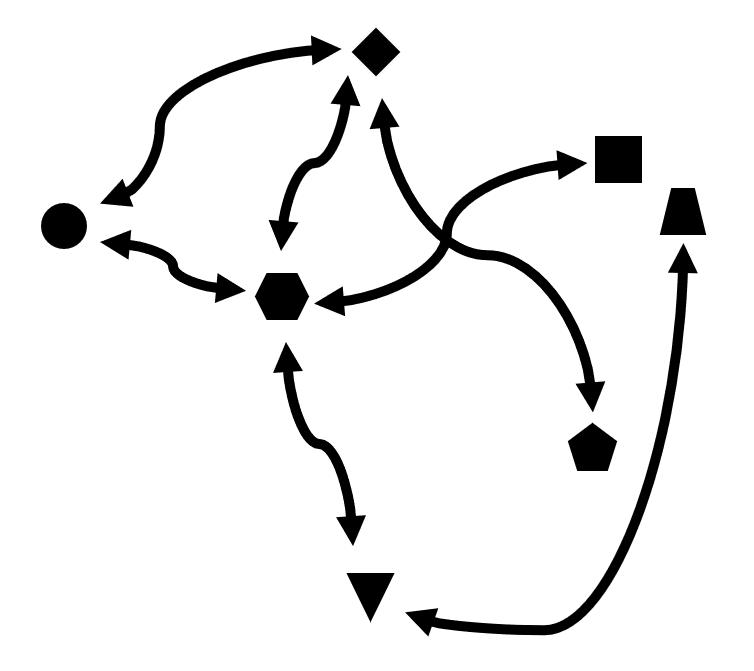
Michel Serres book excerpt: Serres’ algorithmic universal
This is the second in a series of extracts from Michel Serres: Figures of Thought that I will be posting in the run-up to the book’s publication around April 2020. The archive of all the extracts will be accessible here. Serres’ algorithmic universal In addition to the sharp contrast between Cartesian analysis and Leibnizian combination,
-

Representing French and Francophone Studies with Michel Serres
I am delighted that my article “Representing French and Francophone Studies with Michel Serres” has just been published in the latest number of the Australian Journal of French Studies. Many thanks to Ash, Leslie and Gemma at the ANU who worked hard on the editing and wrote a splendid introduction to the AJFS special edition.
-
Michel Serres book excerpt: Serres, Leibniz, and umbilical thinking
This is the first of a number of extracts from Michel Serres: Figures of Thought that I will be posting in the run-up to the book’s publication around April 2020. The archive of all the extracts will be accessible here. Serres and Leibniz Weighing in at 800 pages and around 300 000 words, Le Système
-
Why Michel Serres is, and is not, an ecological thinker
In this excerpt from Michel Serres: Figures of Thought I address the question of whether Serres should be considered an “ecological” thinker.
-

Kant, Foucault and Serres on the a priori
Michel Serres’ “objective transcendental” naturalises the a priori, taking a different path both to Kant in the Critique of Pure Reason and to Foucault’s “historical a priori”
-
Why Michel Serres? A Personal Reflection
On the day of Michel Serres’s death, I reflect on what drew me to write on this beguiling, prescient, inimitable thinker
-

Michel Serres and film 4: Jean-Luc Godard’s Alphaville
This the fourth of four undergraduate lectures in which I explore how the thought of Michel Serres can inform film studies. I embarked upon the lectures as a speculative experiment, but in writing them I became convinced that there are rich resources in Serres’s thought for generating novel and engaging readings of films that often
-
From Plato to Postmodernism: Introduction
Here is the Introduction from my 2011 book From Plato to Postmodernism: The Story of Western Culture Through Philosophy, Literature and Art. The Introduction is entitled “To the man with a hammer …” human beings are not born once and for all on the day their mothers give birth to them, but […] life
-
Michel Serres and film 3: Krzysztof Kieślowski’s Trois Couleurs Bleu
[vc_row row_height_percent=”0″ overlay_alpha=”50″ gutter_size=”3″ column_width_percent=”100″ shift_y=”0″ z_index=”0″ shape_dividers=””][vc_column][vc_column_text] This the third of four undergraduate lectures in which I explore how the thought of Michel Serres can inform film studies. I embarked upon the lectures as a speculative experiment, but in writing them I became convinced that there are rich resources in Serres’s thought for generating
-
Infographic: How does online reporting of climate change frame the question of freedom?
As I continue to work on the how freedom, liberation and emancipation are framed in key areas of public debate today, here is a quick observation about how the language of freedom is deployed in relation to climate change in online news sources, presented as an infographic: …and an accompanying video:
-
Michel Serres and film 2: Agnès Varda’s Sans toit ni loi
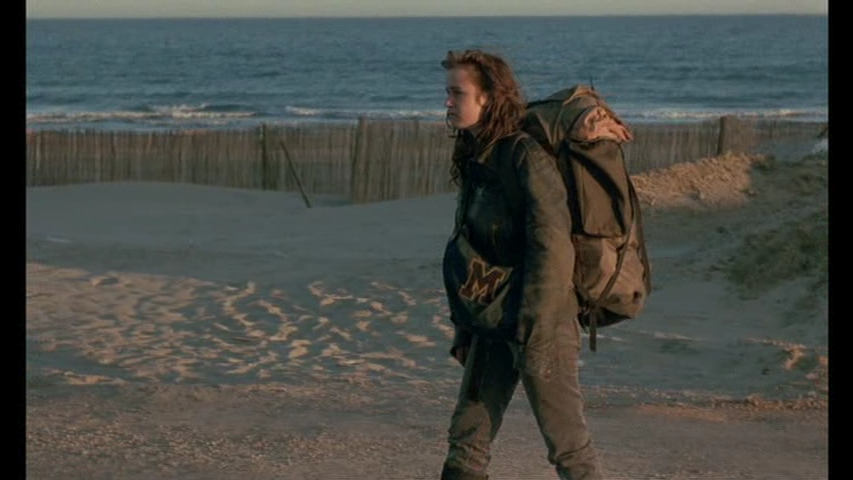
This the second of four undergraduate lectures in which I explore how the thought of Michel Serres can inform film studies. I embarked upon the lectures as a speculative experiment, but in writing them I became convinced that there are rich resources in Serres’s thought for generating novel and engaging readings of films that often
-

Michel Serres and film 1: Agnès Varda’s Cléo de 5 à 7
This the first of four undergraduate lectures in which I explore how the thought of Michel Serres can inform film studies. I embarked upon the lectures as a speculative experiment, but in writing them I became convinced that there are rich resources in Serres’s thought for generating novel and engaging readings of films that often
-
My paper “Nancy is a thinker of Radical Emancipation”, with a response by Jean-Luc Nancy
A plenary talk given at the ‘Thinking with Jean-Luc Nancy’ conference, University of Oxford, 29 March 2019. 1. Nancy against the emancipation narrative It is not an uncommon view, and it is one fuelled in part by Nancy himself, that his thought is inimical to an agenda of emancipation and liberation. He treats the
-
Abstract for Thinking with Nancy conference: Nancy is a thinker of radical emancipation
I have just finished the abstract for my talk at the Thinking with Nancy conference in March. The talk forms part of a larger project on the modern ’emancipation narrative’ I am currently beginning. The larger project will examine the origins and prospects of modern Western ideas of emancipation through engagements with philosophy, literature and
-
New project: How stories of liberation shape our selves and our society
As the Michel Serres book reaches its final stages, I am beginning an exciting new project provisionally entitled “The development and limits of the idea of liberation: a narrative approach”. Here is a brief summary: The project will evaluate the ways in which the modern West has made sense of the ideas of emancipation and
-
Michel Serres book project update: Draft Introduction
For the past three and a half years I have been working on a monograph on the thought of Michel Serres. It has been an exhilarating and exhausting project, in the course of which I have largely forgotten what it feels like to be anywhere near an intellectual comfort zone. During these years I have
-
Research Hacks #25: Another time-saving Microsoft Word macro for academics
Small time-saving computer shortcuts are great news for at least two reasons. First of all, as we research and write week after week the seconds saved with each shortcut add up to substantial gains. Secondly, it is helpful for maintaining concentration if we can minimise unnecessary clicks and key-presses. So in this post I want
-
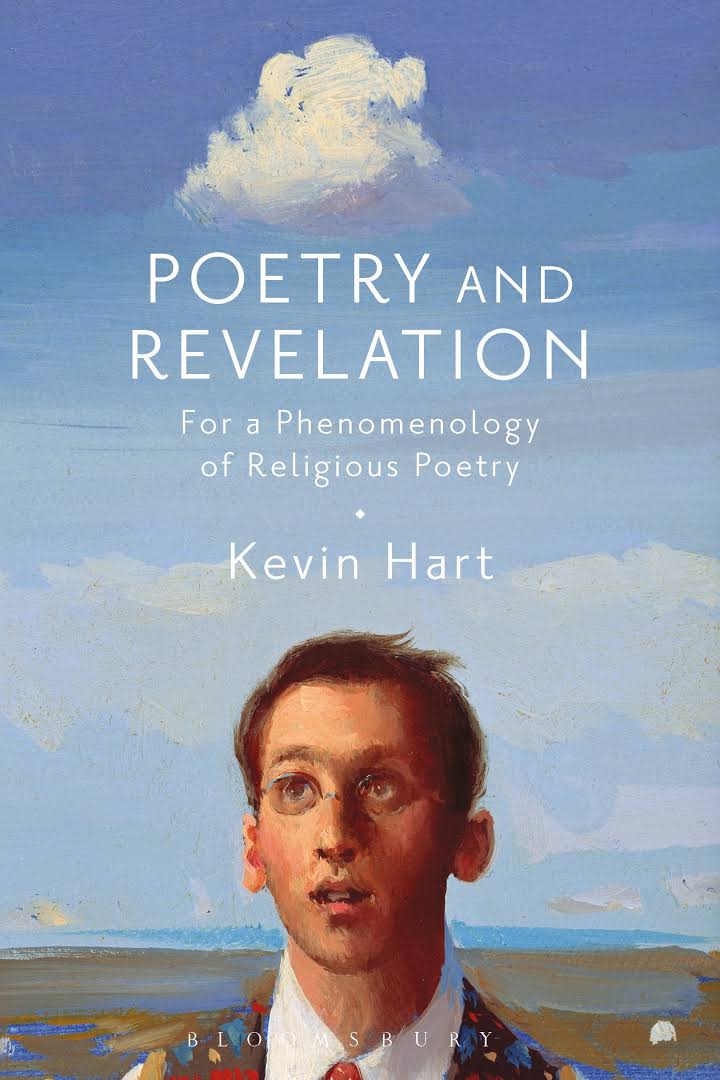
My review of Kevin Hart’s Poetry and Revelation in Los Angeles Review of Books
My review of Kevin Hart’s Poetry and Revelation has now been published in the latest edition of the Los Angeles Review of Books. the exquisite chapter on silence is worth the price of the book by itself.
-

Helping university students to approach language learning as a way of life, not a slot on the timetable
Mastering a language is not like learning any other Arts faculty subject: to learn a language is to immerse oneself in a way of experiencing and engaging with the world, not to assimilate a body of knowledge or even a methodology. Language and culture are the means through which we experience anything at all, not
-
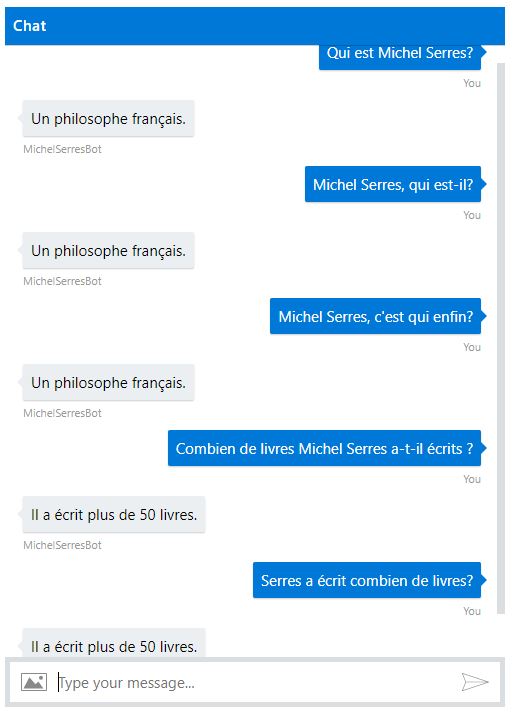
My first experience of creating a chatbot, and how bots might be used in teaching foreign languages
In preparation for the next academic year (which in Australia will begin in February) I am exploring new ways of assessing students in foreign language units, especially at first year level. Last Friday I created a chatbot using Microsoft’s QnA Maker and the Azure cloud computing platform. You can have a play with it the
-

Research Hacks #24: What we think about when we think about academic impact
No-one working in academia today needs me to point out the importance of the impact agenda, nor the way in which it coaxes us to understand the value of our work in particular ways and take it in particular directions. In this post I want to explore one narrow but important set of questions within
-
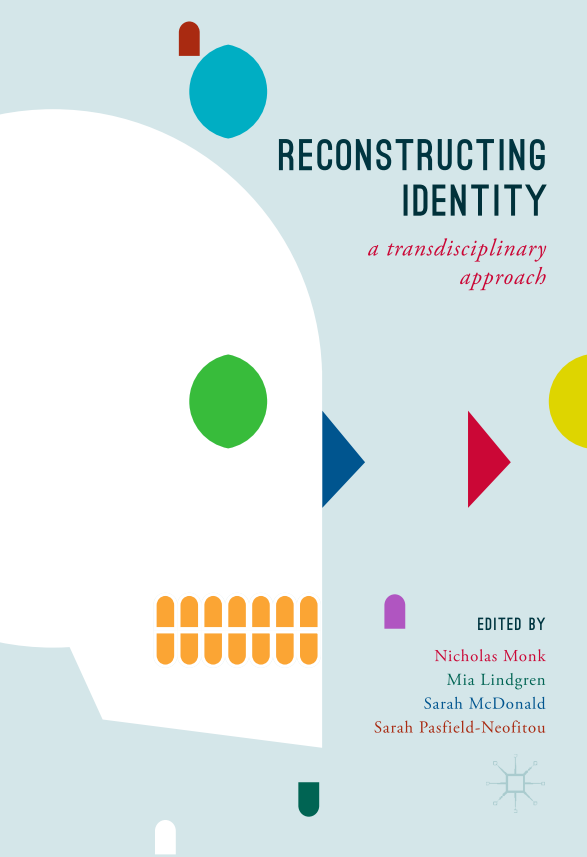
If my brain is damaged, do I become a different person? Catherine Malabou and neuro-identity
A couple of years ago I had the privilege of teaching in a joint Monash-Warwick undergraduate unit examining the theme of identity across the arts, humanities, social sciences and sciences. My own contribution was a seminar on the work of Catherine Malabou, entitled ‘If my brain is damaged, do I become a different person? Catherine Malabou and neuro-identity’.
-

French Philosophy Today paperback now shipping
I just received my copy of French Philosophy Today in paperback. You can find it on Amazon here. Alain Badiou, Quentin Meillassoux, Catherine Malabou, Michel Serres and Bruno Latour: this comparative, critical analysis shows the promises and perils of new French philosophy’s reformulation of the idea of the human. See here for chapter summaries.
-
YouTube video of my paper on Michel Serres and the Question of Alterity in Recent French Thought, with improved audio
I have now tidied up the video from yesterday’s seminar on “Michel Serres and the Question of Alterity in Recent French Thought” and improved the quality of the audio. Here is the new YouTube version:
-
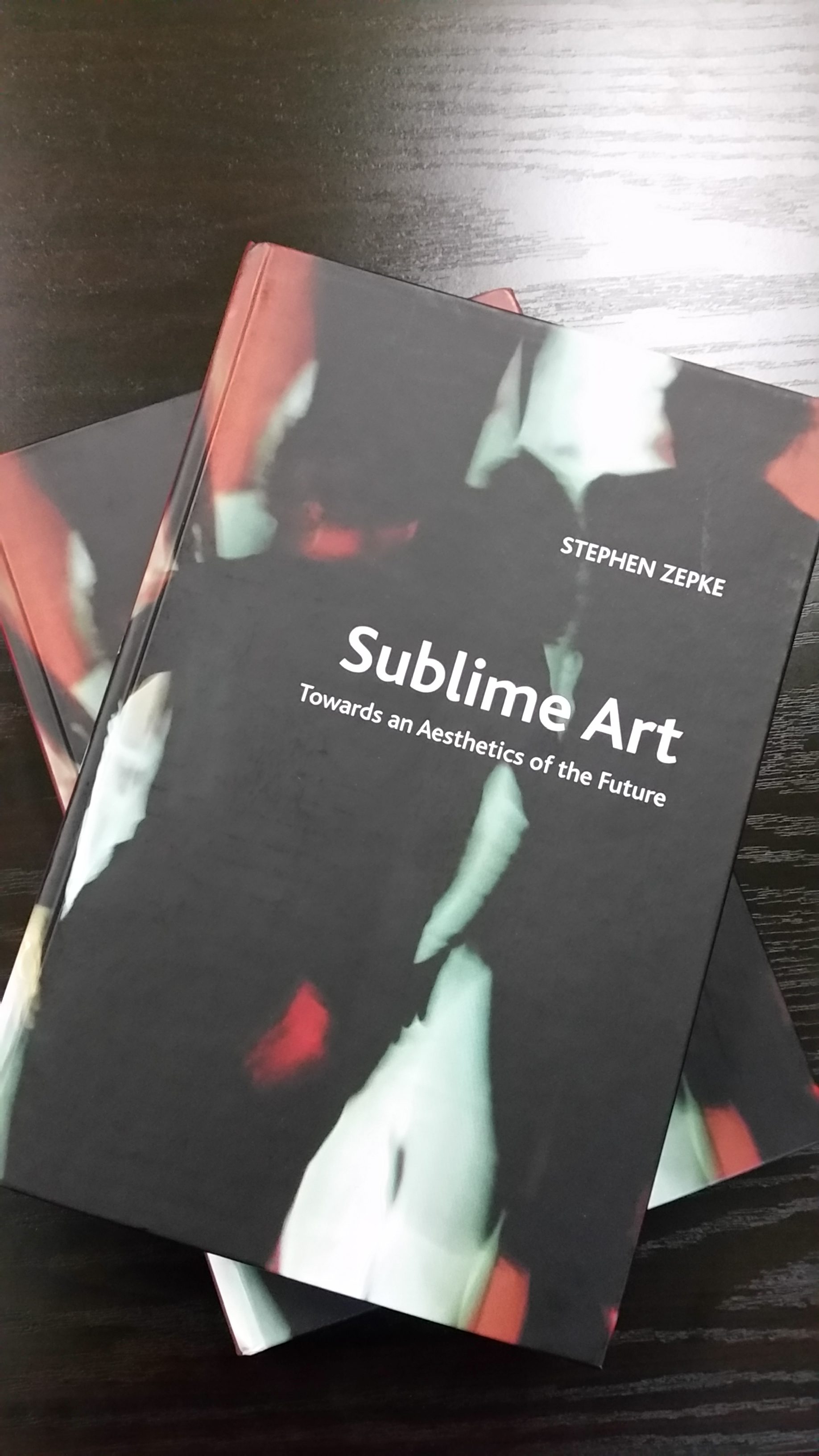
Stephen Zepke’s Sublime Art now available: details of giveaway/exchange offer
My copies of Stephen Zepke’s Sublime Art arrived this morning. Thanks to Stephen, Carol and everyone at EUP for making such a fantastic volume. I can offer two of my copies as free giveaways either 1) if you pay the postage from Melbourne, Australia or 2) in exchange for a similar priced book/books of your
-
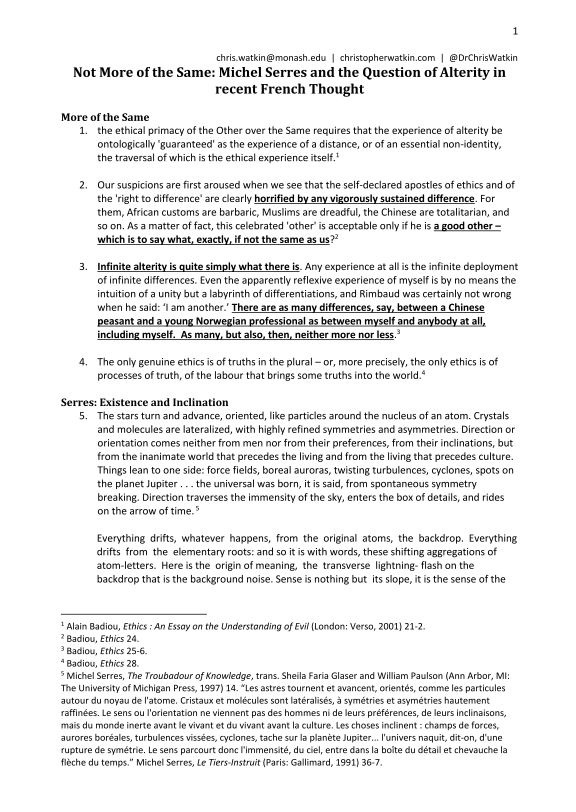
Download the handout for my live-streamed paper on Serres and alterity this coming Tuesday
If you are planning to follow my live-streamed paper on Michel Serres and alterity on Periscope this coming Tuesday, you might want to download the handout that will be distributed to seminar participants. Here it is: The handout contains fourteen quotations and two diagrams to which I will refer in the course of the paper. During
-
Reflections on live streaming academic papers with remote Q&A
First of all, some good news: Deakin have given me the go-ahead to live stream my seminar on Michel Serres next Tuesday. Thank you Daniela! This morning I tested streaming live video in Twitter and discovered a few things that you might find useful if you’re planning to tune in (as we used to say
-

I’m planning to tweet live video of my research seminar on Michel Serres and the Question of Alterity next Tuesday
Next Tuesday I will be giving a seminar at Deakin Univesity, Melbourne, on Michel Serres’s understanding of alterity. The paper comes from the first chapter of my book on Michel Serres, on which I have been able to do some more work recently. I’m trying to get permission from Deakin to tweet a live video
-

Research Hacks #23: Three Microsoft Word macros for quick mark-up of articles, essays and thesis chapters
I have the pleasure of reading a lot of student essays and supervising a number of research students, and over the years I have found that marking up an essay or thesis chapter before I read it helps me to focus and read effectively. The technique also speeds up the reading of articles in Microsoft
-
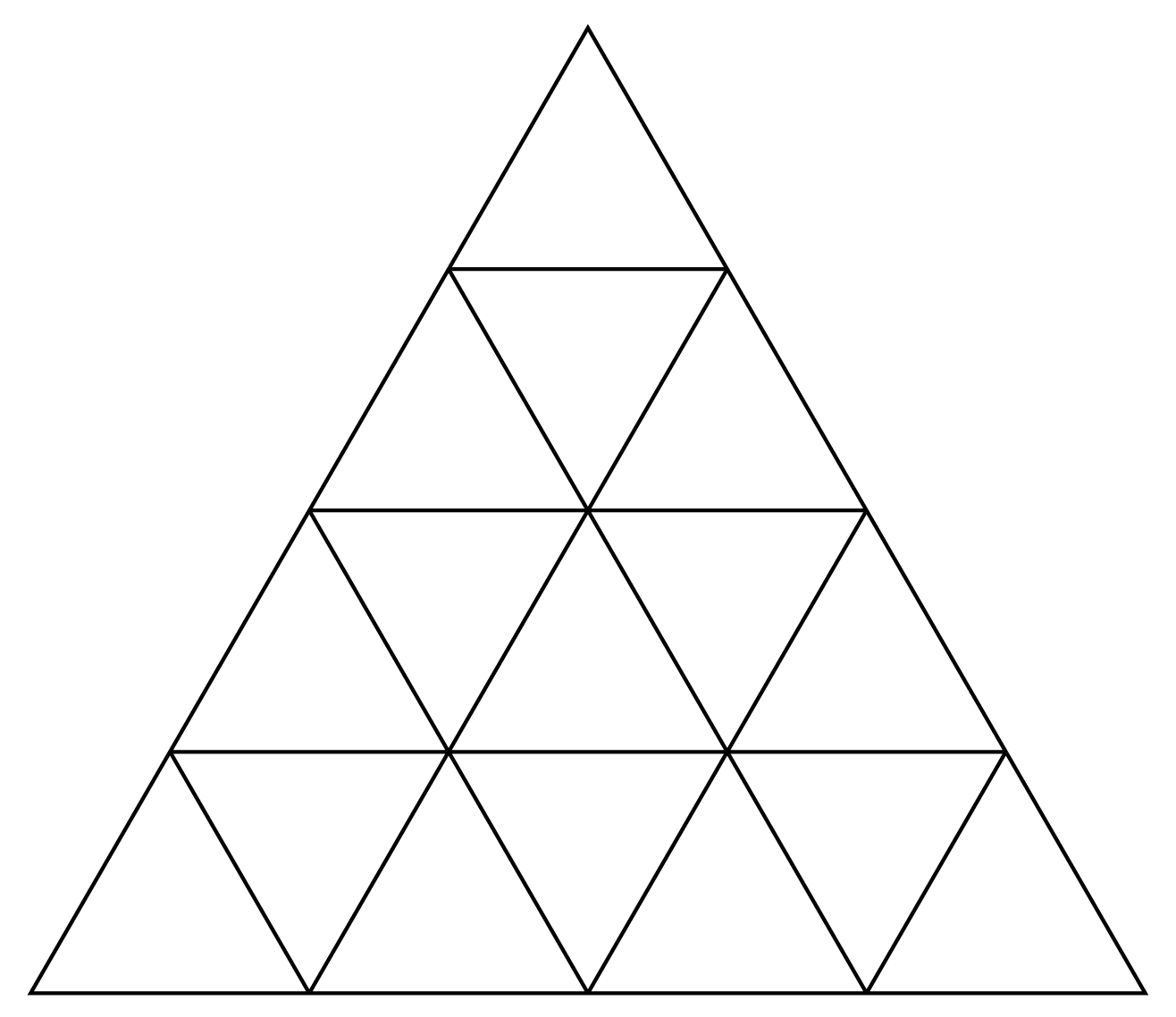
Research hacks #22: Come to terms with a new theory or thinker by using an ‘assumptions pyramid’
After a few posts on planning and presenting research findings, it’s time to return to the core of the research process: understanding, ordering and refining ideas. Let’s think of a particular research scenario: you have to come to terms with a new theory in your discipline. This is a phase of research that can sometimes
-
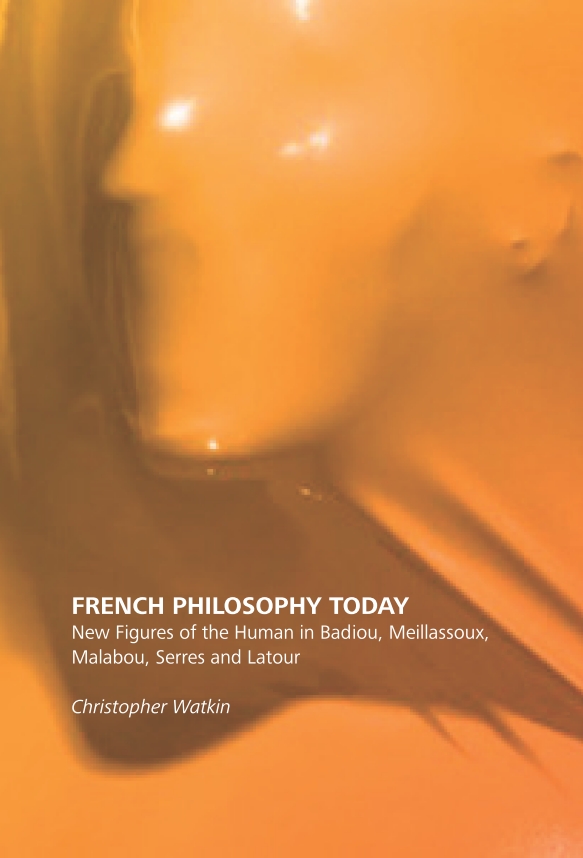
French Philosophy Today paperback now on Amazon pre-order
I am delighted to announce that the paperback edition of French Philosophy Today is now (finally!) available for pre-order on Amazon. The U.S. site has it at $39.95 and most European sites set the price at around €25. Curiously, amazon.co.uk has the paperback at £150, which I assume is a mistake soon to be corrected. Here is
-

Research hacks #21: One to-do list to rule them all
In a previous post I commended the virtues of planning your research, but one problem with such a laudable aim is that it only holds sway over one part of your life. Bluntly, you can plan all the work you like, but the rest of life has a habit of turning up unannounced and shredding
-
What is a theological concept? Part 5: Quentin Meillassoux, reason, and hyperchaos
This is the final post summarizing some conclusions from Difficult Atheism, before this series launches out into new territory. In previous posts I have introduced the series, discussed a schema for distinguishing between different atheisms, sketched Alain Badiou’s interruption of the mytheme by the matheme and Jean-Luc Nancy’s “Christmas Projection”, and reflected upon Nancy’s own idea that
-

What is a theological concept? Part 4: Jean-Luc Nancy’s “something in Christianity deeper than Christianity”
In the previous post I explored Nancy’s reading of Badiou’s interruption of the mytheme by the matheme as a theological moment in Badiou’s thought. But what about Nancy himself? Does his own atheism—for atheist he indeed professes to be, providing that atheism is understood in a way that avoids the Christmas projection—avoid theological concepts? In
-

What is a theological concept? Part 3: Alain Badiou’s interruption of the mytheme by the matheme and Jean-Luc Nancy’s “Christmas Projection”
In this third post in the “what is a theological concept?” series I focus for the first time on a specific philosophical moment: Alain Badiou’s account of the interruption of the mytheme by the matheme. I am particularly interested in Jean-Luc Nancy’s reading of this Badiouian move, for Nancy sees in the interruption of the
-

How art can create a new future: Stephen Zepke, Sublime Art
I am delighted to report that Stephen Zepke’s Sublime Art is nearing publication, with the cover now being proofed. How art can create a new future Sublime art exceeds the present. It is an undetermined expression that in coming into being creates new universals, new modes of life and new coefficients of freedom. Stephen Zepke tracks
-
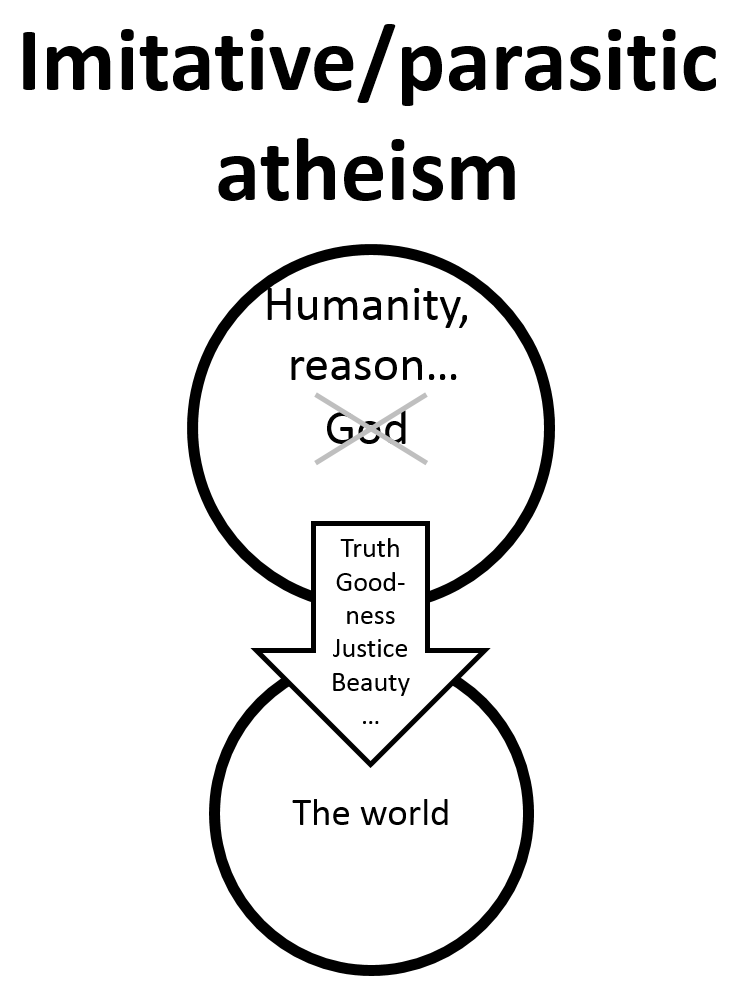
What is a theological concept? Part 2: A schema for distinguishing between different atheisms
In Difficult Atheism I offered a schema for understanding varieties of contemporary French philosophical atheism. In this post I want briefly to summarise that schema (adding some diagrams not included in Difficult Atheism), before going on to develop it further in the future. If you want to explore these ideas in greater length, please refer
-
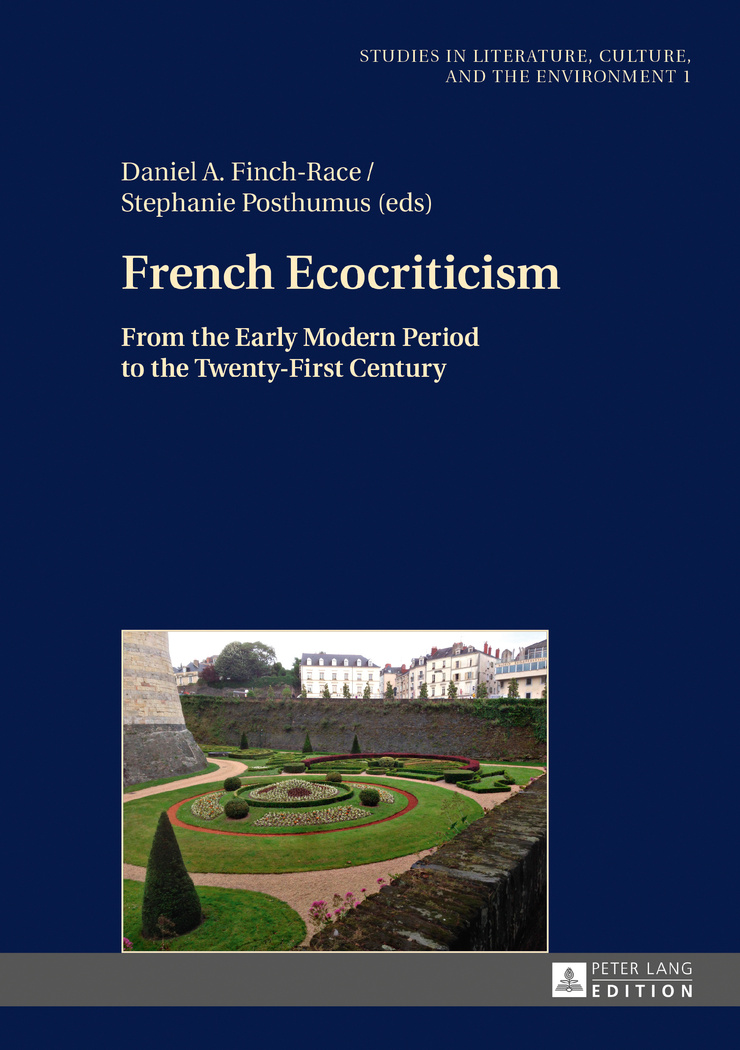
Michel Serres: From Restricted to General Ecology
My project to write a critical introduction to the thought of Michel Serres continues to advance, and one small piece of the extensive Serresian jig-saw puzzle is of course the distinctive way in which he approaches ecological questions. A couple of years ago I was delighted to be approached by Daniel Finch-Race and Stephanie Posthumus to
-

What is a theological concept? Part 1: Introduction
In this new series of posts I want to ask a question that is simple enough to pose: “what is a theological concept?” The question comes out of lines of inquiry I opened up in Difficult Atheism but wasn’t able to bring to a conclusion, as well as from reflections I have been pursuing since
-
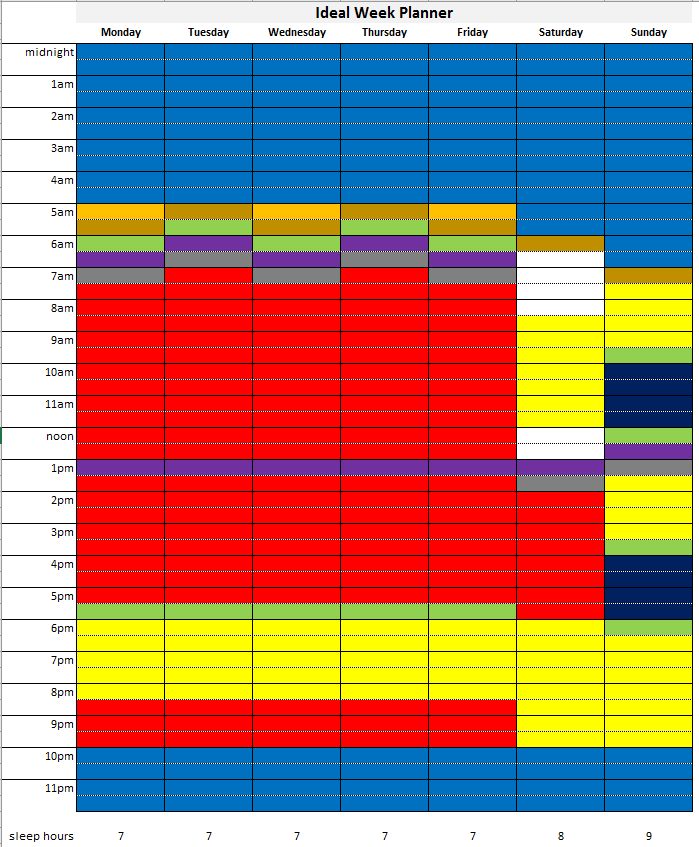
Research hacks #20: Why it pays to plan your ideal week, and an Excel workbook to help you
In my last post I pointed out how time logging can help you build an accurate picture of how much time you are really spending on different tasks. That is only half the battle of taming your timetable however. The other half is working out how you want and ought to be spending your time, and
-

Research hacks #19: Three benefits of time logging for academics, and one easy-to-use time logging app
Time logging is for executives, not academics, right? It’s for lawyers with billable hours, not for researchers with theses and books that take years to complete. Wrong. I have found that tracking the time I spend on different tasks has brought me three distinct benefits, and in this post I want to share some reflections