social contract
-
Video: Our fractured state of nature: environment, emancipation, ecnonomy
This is a recording of a paper given at the Australasian Society of Continental Philosophy Conference, December 2021. Paper title “Artificial state of nature: how an aporia of myth shapes our experience of emancipation and the market” Abstract This paper argues that there are two contradictory modern Western understandings of nature, vividly captured in the
-
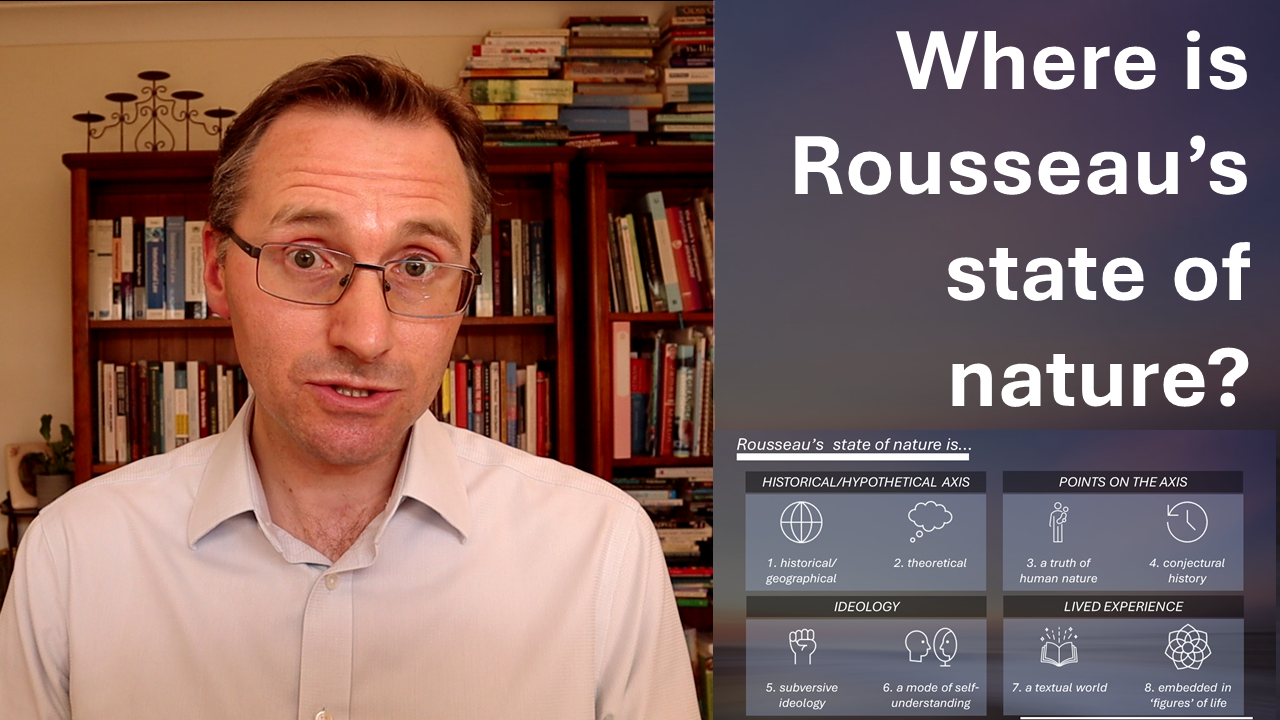
Video: Where is Rousseau’s state of nature?
This is a recording of a paper I gave at the 2021 Australian Society of French Studies Conference. Paper title: Siting Rousseau’s state of Nature Abstract: Rousseau’s account of the social contract relies, both logically and rhetorically, on his reconstruction of the so-called “state of nature”, a supposed pre-contractual condition of human life. There is
-
The state of nature as social critique
The state of nature as social critique This is the second post in a series on the state of nature. In the first post I explored why the state of nature matters today. This post considers how the state of nature idea functions as a tool of social critique. It is also available as a
-
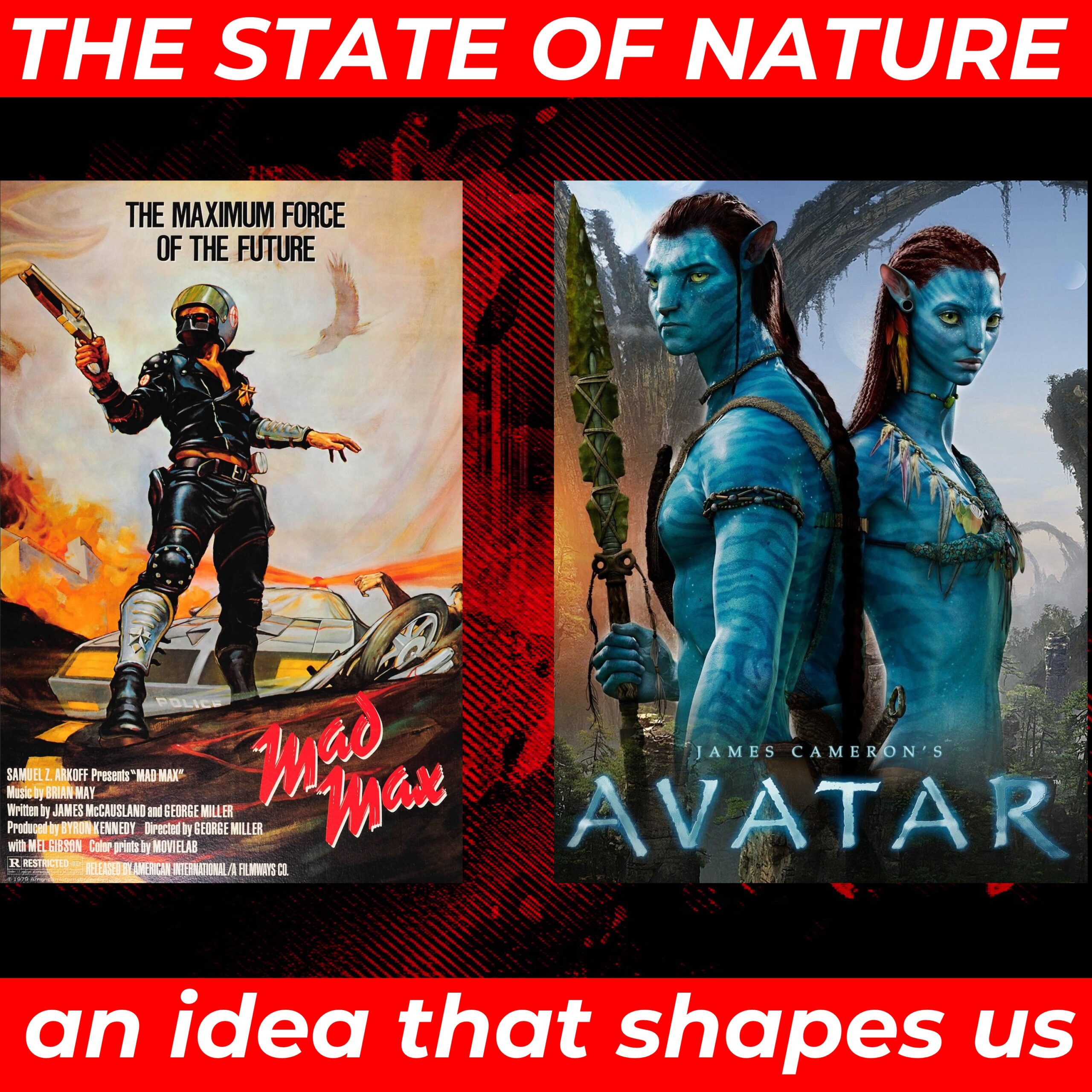
The State of Nature – An Idea that Shapes Us
This post is the script for a video essay on the state of nature uploaded to the Social Contract Research Network YouTube channel. The material was written to be viewed. Video version: Podcast version: This is a video about a powerful idea. It is an idea that shapes our view of ourselves, and of what
-
TALK Rewriting the Social Contract – the Role of Christian Social Institutions
This guest lecture was delivered at Parliament House, Canberra, on 22 February 2021, at the invitation of the Church Community Restoration Project, an alliance of Christian community organisations committed to partnering government, individuals and communities as they face the challenges of a COVID-19 recovery in Australia. The lecture draws on research from the Australian Research
-

Michel Serres and the New Social Contract
This is a paper presented at the 2020 SEP-FEP (Society for European Philosophy and Forum for European Philosophy) conference: https://sep-fep.com/ Abstract One of Michel Serres’s best-known works in the anglophone world is The Natural Contract, in which he argues that our current social contract dangerously neglects the non-human and needs supplementing with a new settlement
-

Towards a general clinamatics: narrative, the social contract, and four pages of Balibar
This post is part of a series of reflections on the social contract. For other posts in the series, please please click here. It is common to evaluate accounts of the social contract as if they were abstract arguments containing a finite list of propositions about human nature, history and politics, each with its
-
Poverty, Precarity, Ecology – Michel Serres’s natural contract
This is a paper I originally prepared for a Faculty meeting. It briefly introduces the idea of the natural contract to a cross-disciplinary audience, and gestures towards some of its benefits. This paper addresses what sort of philosophy, and what sort of social sciences, are required to address the qualitatively new problems that face
-
The natural contract: four objections answered
Abbreviations CN Le Contrat naturel Bi Biogée Bio Biogea GB Le Gaucher boiteux Hom Hominescence In L’Incandescent Inc The Incandescent NC The Natural Contract P Le Parasite Par The Parasite RH Récits d’humanisme TDC Temps des crises TOC Times of Crisis TU ‘Temps, usure : feux et signaux de brume’ In the previous
-
How a contract with the natural world can help us address the climate crisis
Since the publication of Michel Serres’s Le Contrat naturel (The Natural Contract) in 1990, the thesis that our social contract needs to be complemented and extended by a contract with the natural world has come in for sustained, and predictable, criticism. In this new mini-series of posts I want to clarify the natural contract idea,
-
The social contract is imaginary. That’s why it’s so powerful
What is the point of a national anthem? Does it accurately portray the history of the nation it adorns? Seldom. Does it reflect current values and priorities? Hardly. Is it set to a rousing melody? Almost never. Is it achingly repetitive? In the case of the British national anthem, most certainly yes. And yet anthems
-
What are the conditions of a strong social contract? Ricoeur on Rawls
To adapt a popular meme from the Lord of the Rings trilogy, “One does not simply… rewrite the social contract”. It isn’t something we can change at will. It doesn’t drop from the sky fully formed. And, as we know, it wasn’t simply “written” in the first place. The codified aspects of the social contract—the
-
Christianity and the social contract: preliminary reflections
The paper below was prepared for the Jubilee Centre taskforce on the role of the state in the post COVID-19 world. Its intention is to provide a brief overview of classic social contract theory and then identify some ways in which the social contract paradigm relates to Christian theology. Enjoy! Christianity and the social contract
-
COVID-19 and Black Lives Matter: The apocalypse of the social contract
In a previous post I began to consider how the COVID-19 pandemic stress tests our fragile social contract. I now want to pick up that thread again and ask why we are so willing to give up our natural freedom for the sake of the common good, and what the current crises reveal about the state
-
António Guterres, Jean-Luc Nancy, and the new social contract
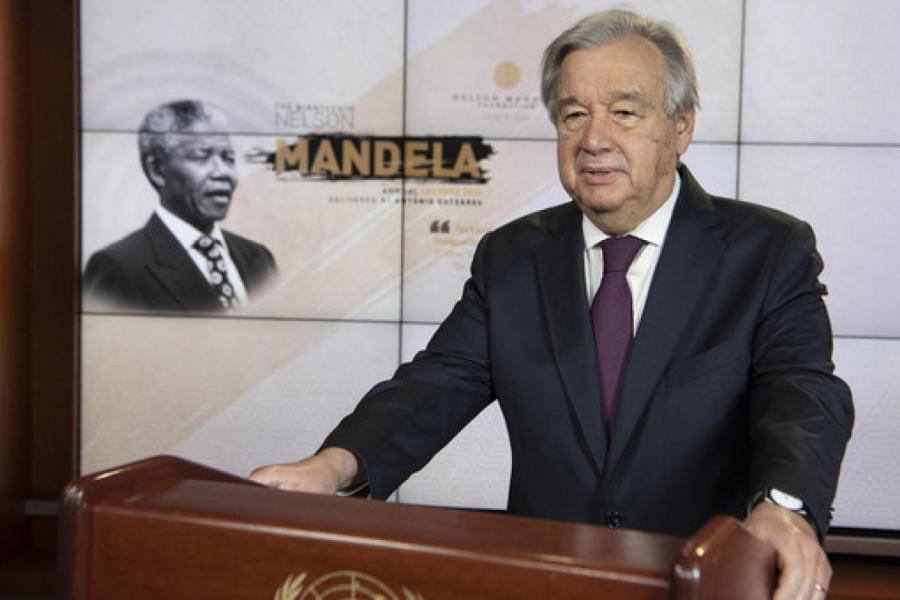
On July 18 this year the U.N. Secretary General António Guterres added his voice to the ranks of those calling for a new social contract, entitling his 18th Nelson Mandela Annual Lecture ‘Tackling the Inequality Pandemic: A New Social Contract for a New Era’. But what does that mean? What do we want when we
-
COVID-19 and the social contract
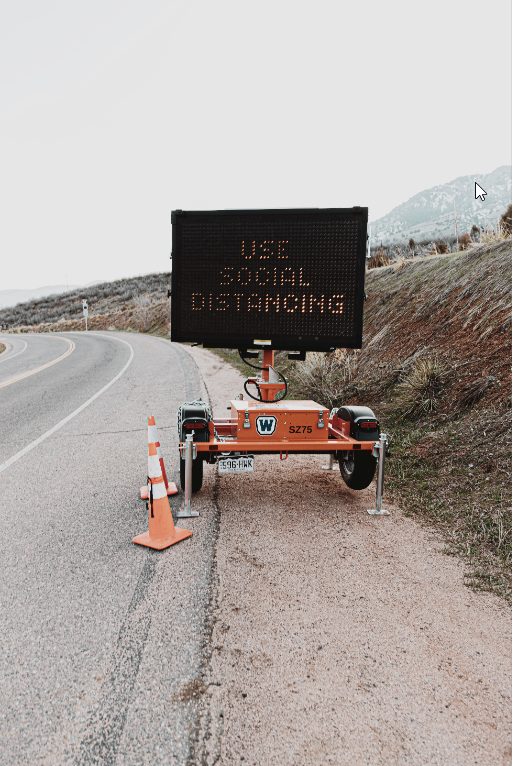
Man is born free, and everywhere today he in self-imposed chains, locked down under COVID-19 regulations. The term “lockdown” is of course a misnomer. With some notable but very infrequent exceptions, no-one is locking our doors and forcing each and every one of us to stay within our four walls. It is relatively trivial to